Market Insights
Gold Coast Holds Firm as Other Markets Soften
September 3 2026
Applying national market sentiment to the Gold Coast market while overlooking the fundamentals could prove costly for buyers.

September 3 2026
Amid reports of a drop in national house prices as inner-city markets struggle, the Gold Coast continues to march to its own beat, proving resilient in the face of adversity.
The latest PropTrack data reveals larger metropolitan markets are battling to keep annual house price growth in positive territory, only just clearing neutral at 0.2 per cent. Comparatively, regional areas are faring much better, with growth sitting at a healthier 6.6 per cent.
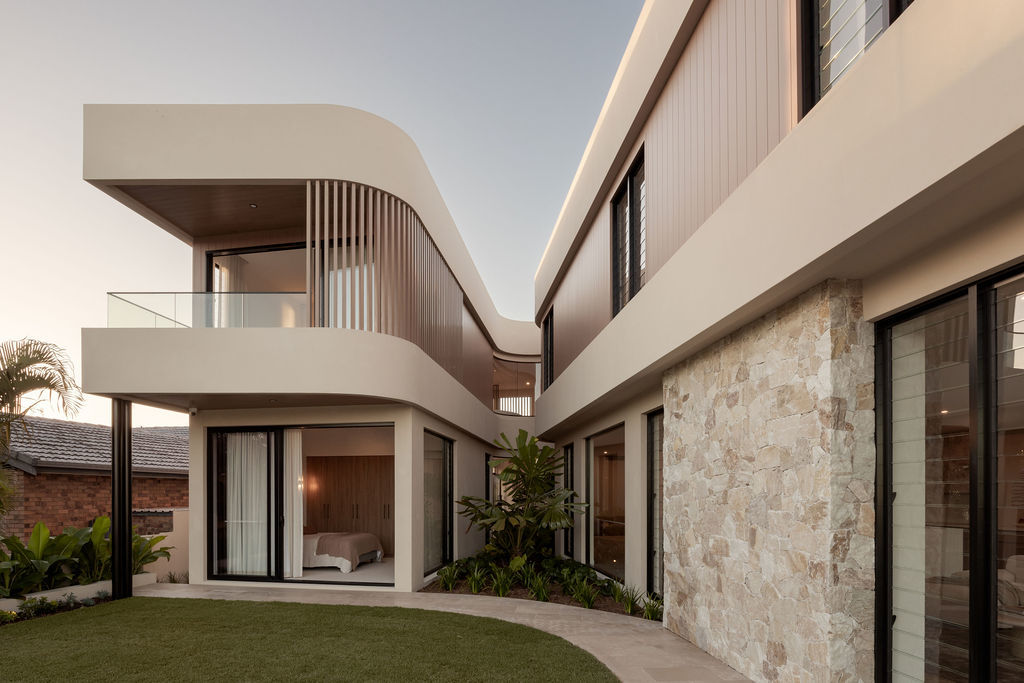
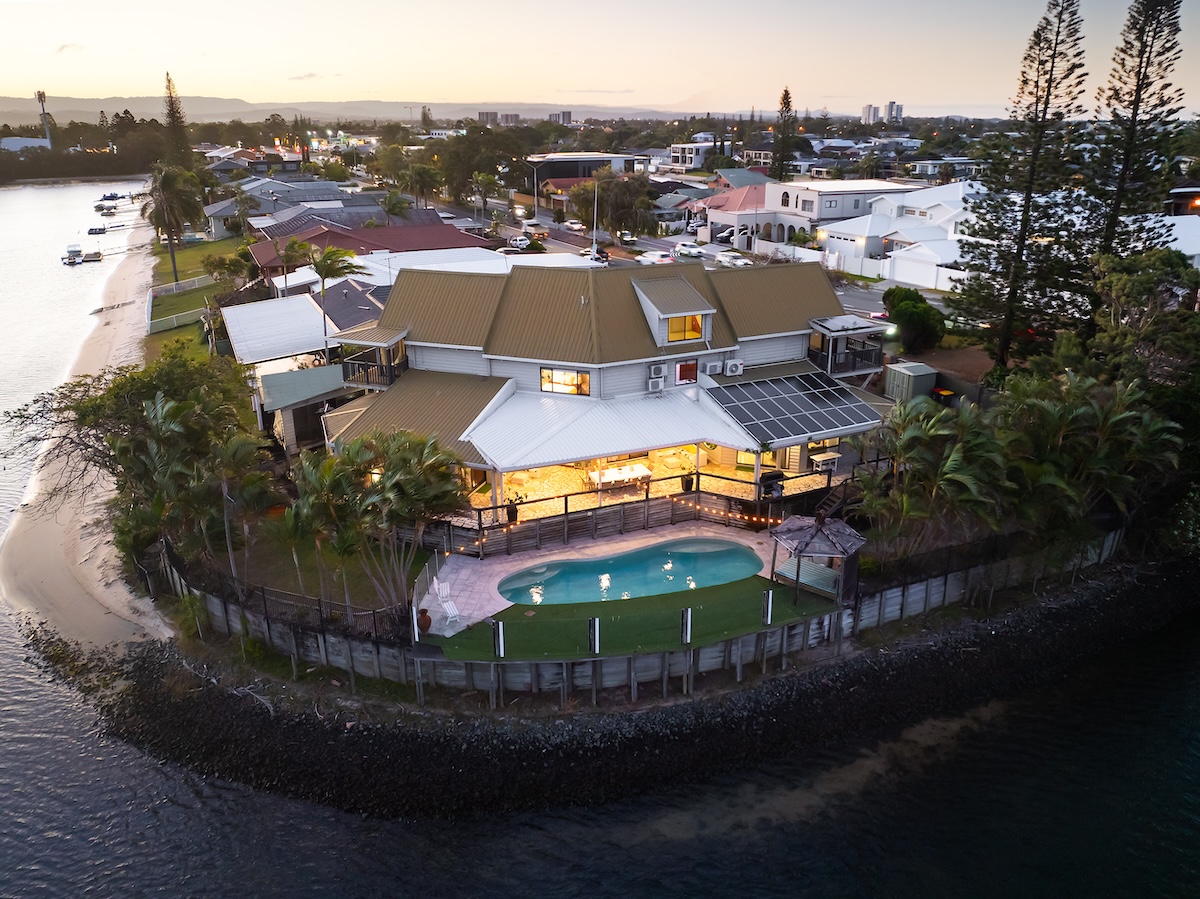
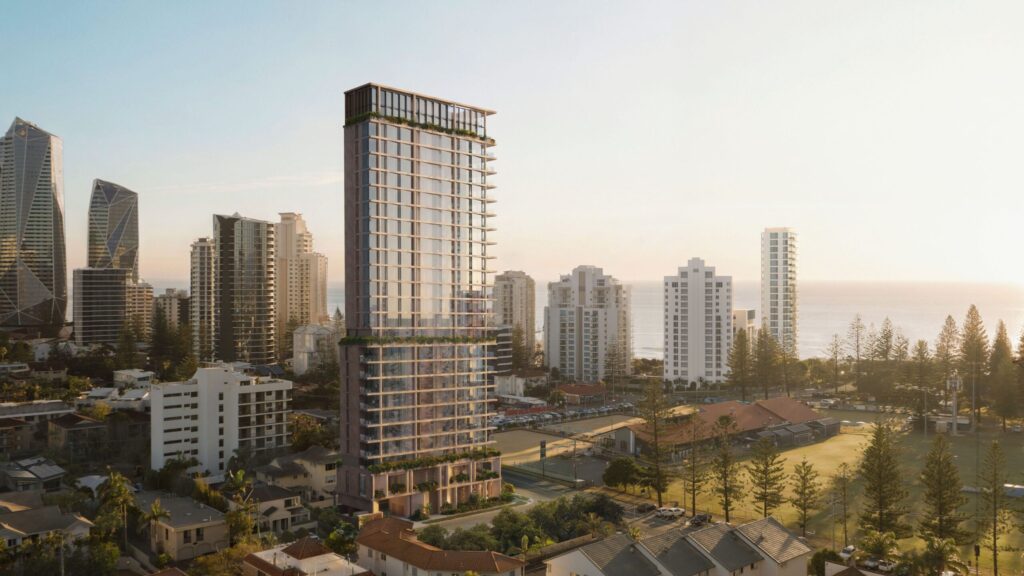
Sales results tend to reflect market confidence with two deals north of $10,000,000 made by Kollosche last week showing that the Gold Coast is holding firm. The deals involved an immaculate waterfront home in Surfers Paradise that sold off-market and the off-the-plan sale of the penthouse in the boutique ‘Camilla Residences’ in Broadbeach.
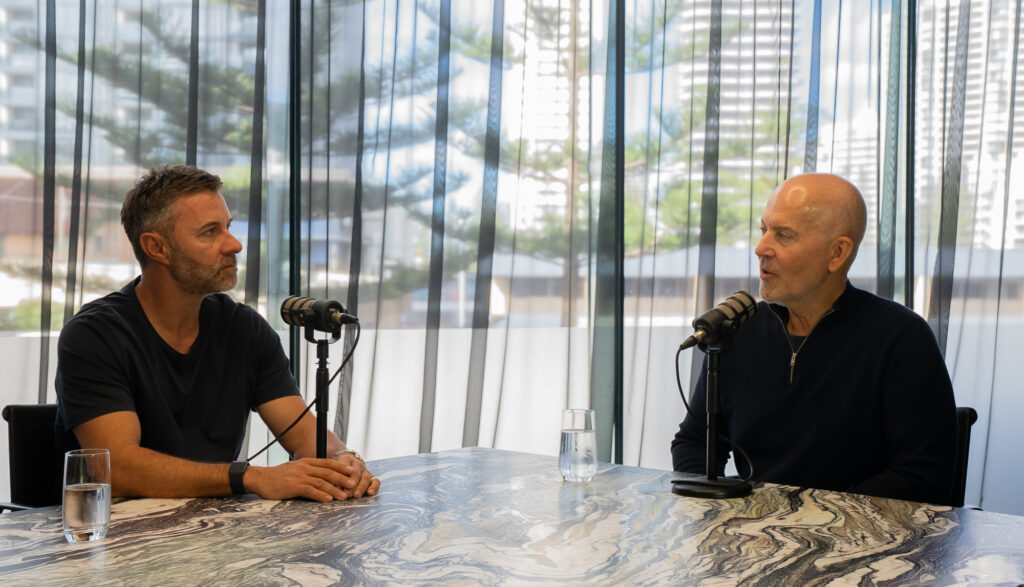
According to Kollosche Managing Partner Shane Smollen, the Gold Coast housing market has always operated at a different level to its larger city counterparts and it would be remiss of buyers, especially those from Sydney and Melbourne, to read the local market through the national lens.
“We have always had a lot of interstate buyers in our local market, but they are tarnished with what is occurring in their own cities right now,” Mr Smollen told Kollosche managing director Michael Kollosche in the latest K-Series podcast.
“They are heavily pessimistic, but without really understanding the fundamentals of the Gold Coast economy,” he said. “It is important to know what those fundamentals are and the numbers that back it up.”
The Gold Coast is one of the most conservatively financed markets in the country, and while not immune to the effects of macroeconomic pressures, such as rising interest rates, the impact on property owners remains far less severe.
“We are sitting in one of the least-leveraged markets in Australia, particularly when we look at postcodes like 4218, taking in Mermaid Beach, Broadbeach and Broadbeach Waters,” Mr Smollen said. “That matters because it is leverage, not sentiment, that usually turns a hesitant market into a distressed one.”
Mr Smollen pointed to the recession of the early 1990s, when first mortgages ran as high as 80 per cent and many owners carried second mortgages at 23 per cent. He said that was the kind of debt stress that forced sales and dragged prices down.
“None of that exists in the Gold Coast market today. There are pressures on certain parts of business, but solid sales are being made.”
According to Mr Kollosche, the disconnect is showing up at the coalface, as vendors interstate responded to genuine financial pressure.
“In Melbourne at the moment, we’ve seen some significant taxes placed on property, land taxes etc, and that is driving a lot of people to reassess where they put their money, where they invest, with most wanting to now relocate here for the lifestyle,” he said.
On the Gold Coast, rather than distress selling, the more common outcome has been for prestige owners to simply withdraw from the market and hold firm, confident in the long-term story.
“With growing infrastructure investment, lifestyle-driven demand, and one of the tightest housing supply pipelines in the country, our market fundamentals argue for resilience rather than the correction some interstate buyers are pricing in,” Mr Kollosche said.
“Historically periods of uncertainty have created opportunity, rewarding those who are prepared to act decisively. The Gold Coast market environment is primed for buyers right now, who are often negotiating in isolation rather than competing against multiple parties.
“Instead of letting wider market swings cloud judgement, buyers should look to experienced owners and investors, who know that quality Gold Coast property has consistently proven its long-term resilience.”
For those seeking to purchase a property on the Gold Coast, reach our to one of our experienced agents or view Kollosche’s current listings.