Commercial
New Transport Initiatives Set to Boost Property Values
August 11 2026
Savvy buyers and sellers should be acting now to capitalise on opportunities to be created by new transport infrastructure projects.
August 11 2026
It’s full steam ahead for transport infrastructure across the Gold Coast with new initiatives set to bring opportunities for investors.
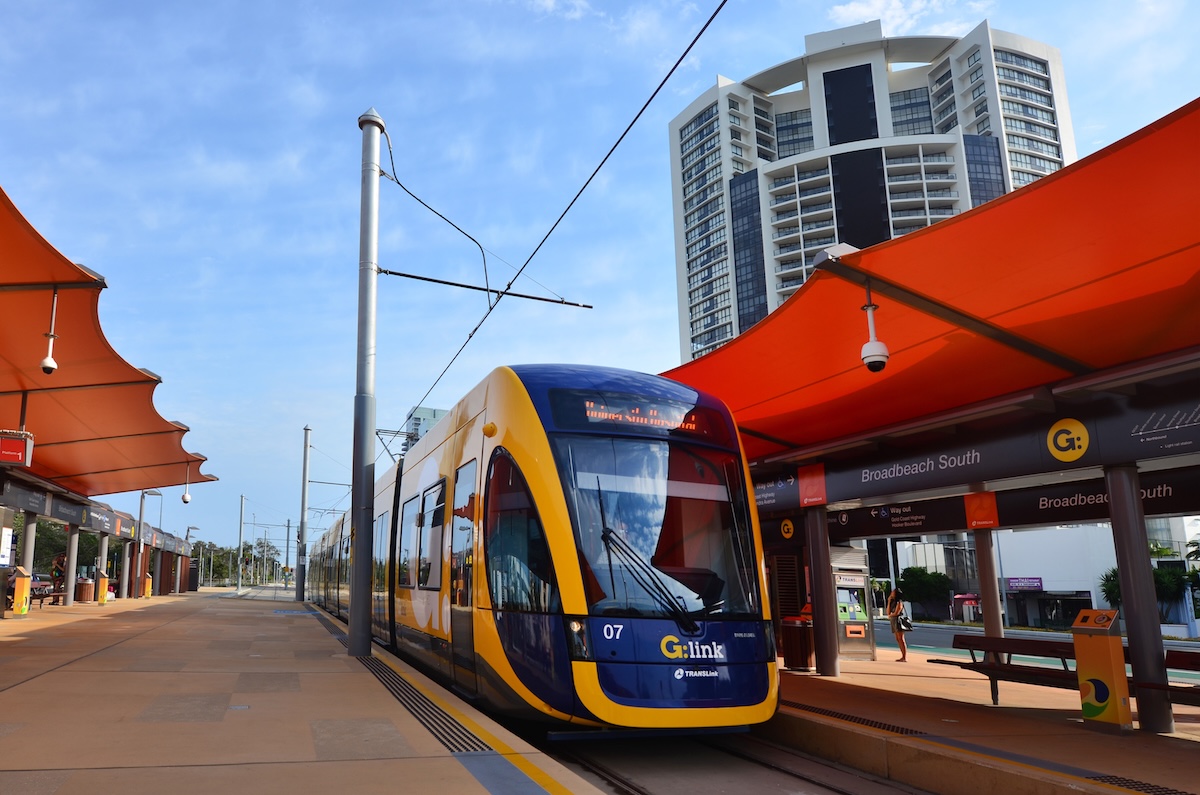
With Stage 3 of the Light Rail from Broadbeach to Burleigh Heads officially operational on August 9, local and State governments have announced further projects aimed at better connecting the Gold Coast – all ahead of the 2032 Olympics.
Kollosche Commercial sales agent Adam Grbcic said the initiatives would boost land values along the transport corridors, creating opportunities for early investors.
So, what has been proposed?
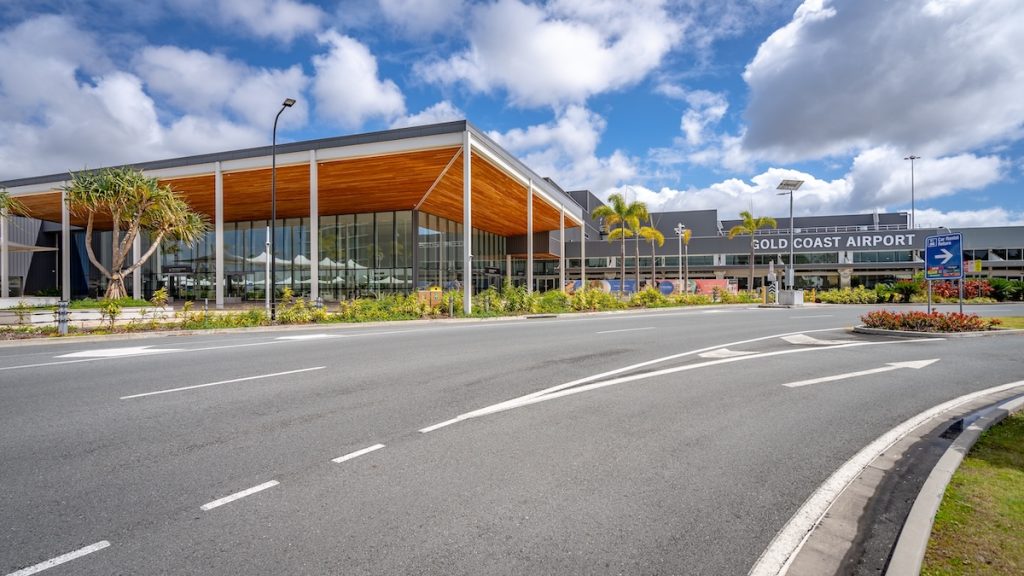
The recently scrapped Light Rail Stage 4 extension will be replaced with a new rapid bus service called the GC Surfer. Think Metro-style articulated buses running in their own lanes, connecting Coolangatta and the Gold Coast Airport to Robina and Varsity Lakes railway stations.
A Light Rail spur to Biggera Waters has also been confirmed, which means for the first time, the Coast’s north-south tram line and inland heavy-rail line will connect with each other.
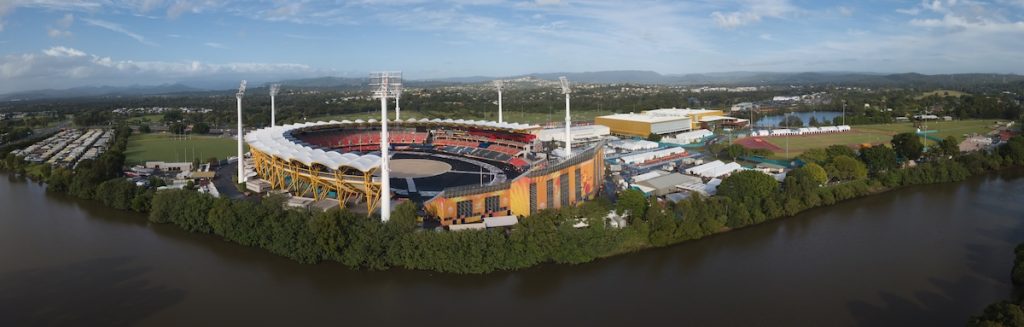
Finally, and in response to much public demand, two new east-west bus routes will be established: one linking Robina station to Miami on the coast via Bond University, and another connecting Nerang railway station to Broadbeach via People First Stadium and the Gold Coast Sports Precinct at Carrara.
Mr Grbcic, who has been tracking the corridor closely, said the significance and timing of these announcements were often underestimated by investors seeking to capitalise on the changes.

“It’s too late once the infrastructure is already in place. By that stage, property values would have already bolted,” he said. “The best time to be seeking opportunities is now, at the time of announcement.”
Mr Grbcic said history had shown this to be the case, with the Gold Coast’s original Light Rail line offering the clearest evidence.
He said when Stage 1 opened in 2014, land within 400m to 2km of a Light Rail station rose about 7 per cent more than land further away in the first 12 months of operation.
When you look at the full planning-to-opening window starting in 1996, properties within 800m of a station rose by 30 per cent, with the strongest band being within 400m.
“Crucially, most of that gain happened during the planning and announcement years, well before a single tram ran,” Mr Grbcic said.
The pattern was consistent in other cities around the country, with Melbourne’s level crossing removal program lifting nearby house values by an average of 9 per cent, with some suburbs seeing much more.
“The market moves on the promise of infrastructure, not the ribbon cutting.”
For owners, this early window may also be the most strategic time to consider offloading assets.
Mr Grbcic said while they may not capitalise fully on the eventual price uplift, the potential impact during the construction phase was worth consideration.
“Depending on how long that phase extends, owners need to take into account any consequences, which could include reduced cashflow from increased occupancy rates, the ability to re-lease space during construction periods and a rise in incentives required to secure tenants in this period.”
Where the opportunities lie
Mr Grbcic said if the most recent proposed infrastructure followed the same pattern as the original Light Rail, the suburbs to watch would be the ones closest to confirmed stops along the Coolangatta, Palm Beach and Burleigh spine, and the new interchange points at Robina, Varsity Lakes, Nerang, Miami and Broadbeach, where two transit lines will meet for the first time.
The advice for owners and investors is to look closely at proximity. Properties within a few hundred metres of a confirmed stop or interchange have historically captured the strongest gains.
Mr Grbcic said savvy investors should start to move now before broader market awareness caught up with the announcement.
“These are once-in-a-generation infrastructure decisions. The data shows the value response happens early. Waiting for construction to finish is waiting for the opportunity to pass,” he said.
For buyers and sellers along these corridors, it is vital to understand exactly where the new stops and interchanges will sit and the effect it could have on property values.
To understand what the new infrastructure changes mean for your property and expert advice on how to position your asset, contact the Kollosche Commercial team today.