Commercial
SMSF Investors Start to Reshape the Commercial Market
September 21 2026
A dynamic shift from chasing capital growth to chasing yield is fast becoming one of the defining trends of the current market.

September 21 2026
Industry forecasts have come to fruition following the government’s monetary policy changes, with a wave of new investors moving into the commercial market.
In August, the government banned self-managed super funds (SMSFs) from entering new Limited Recourse Borrowing Arrangements for residential property.
For those investors forced to look elsewhere, the ability to keep borrowing capacity and negative gearing benefits in the commercial sector has made it highly attractive.

According to Kollosche Commercial Sales Agent Adam Grbcic, the effect of the switch has been immediate, with enquiry volumes surging.
“Commercial has been the lucky beneficiary of the policy changes, with people changing their mindset around how they shape their investment portfolios,” Mr Grbcic said.
“They are moving away from the traditional mindset of holding capital growth assets and opening their minds to cashflow assets,” he said.
“Commercial investment strategies have never been reliant on negative gearing and are typically positively geared from day one, because the return of the property exceeds the borrowing cost, so the asset pays for itself.”
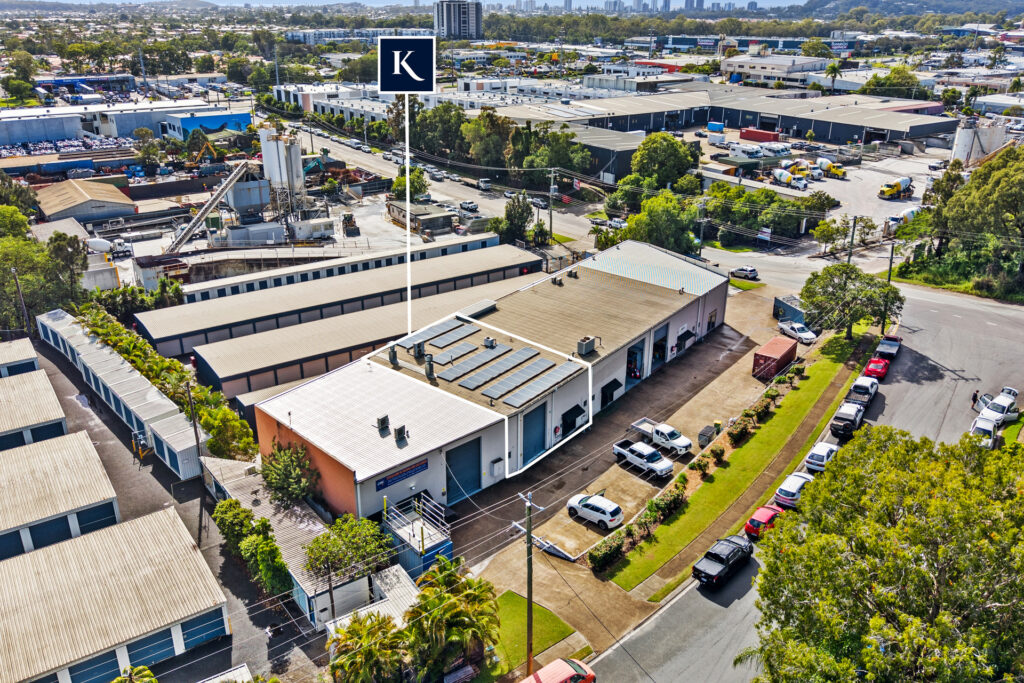
This dynamic shift from chasing growth to chasing yield is becoming one of the defining trends of the current market, Mr Grbcic told Kollosche Managing Director Michael Kollosche on the latest K Series podcast analysing the commercial market.
“We predict that more business owners will seek to own their commercial premises through their SMSF and lease it back to their business at market rent,” Mr Grbcic said.
As investor demand pulls back from residential stock, that same capital needs somewhere else to go. That somewhere, according to Mr Grbcic, is increasingly industrial, which remains the standout asset class on the Gold Coast.
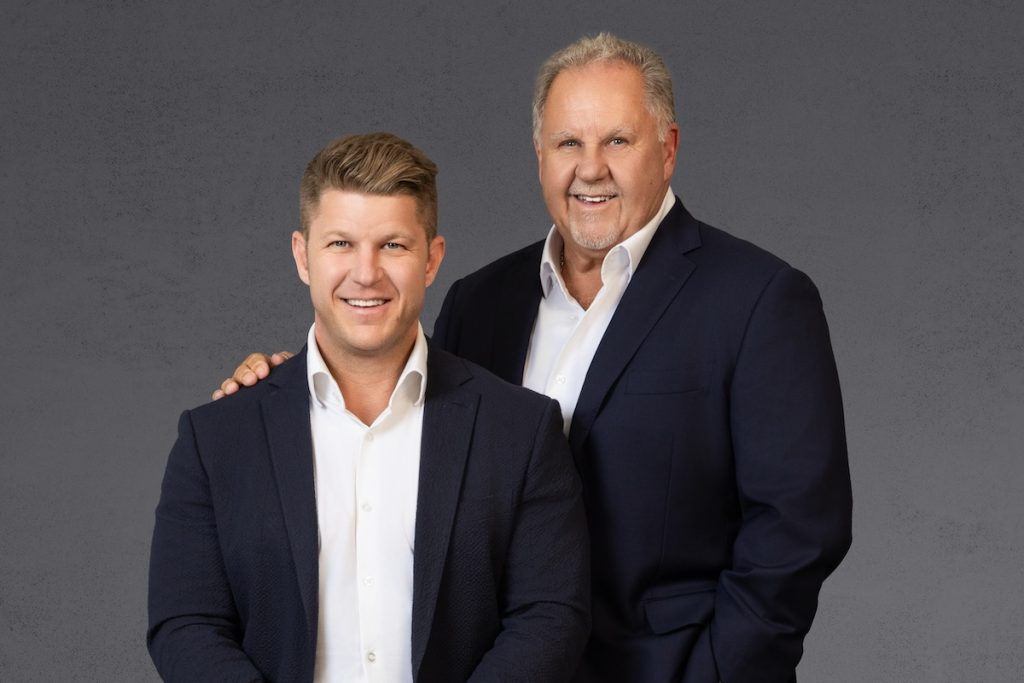
“Industrial still consistently trades for below a 6 per cent yield,” he said. “Some of the key investment drivers which make commercial investments attractive include the tenant tenure, which generally ranges from three to five years compared to six to 12-month residential leases. Plus, commercial leases have annual increases that are either linked to CPI or are 3 per cent, which hedges the income against inflation.
“Strong demand from owner-occupiers looking to secure a foothold before land runs out entirely is compounding the effect of investor appetite, pushing prices up even for assets with short leases or weaker tenant covenants.”
The result is a market where opportunities are increasingly scarce, with strong competition.
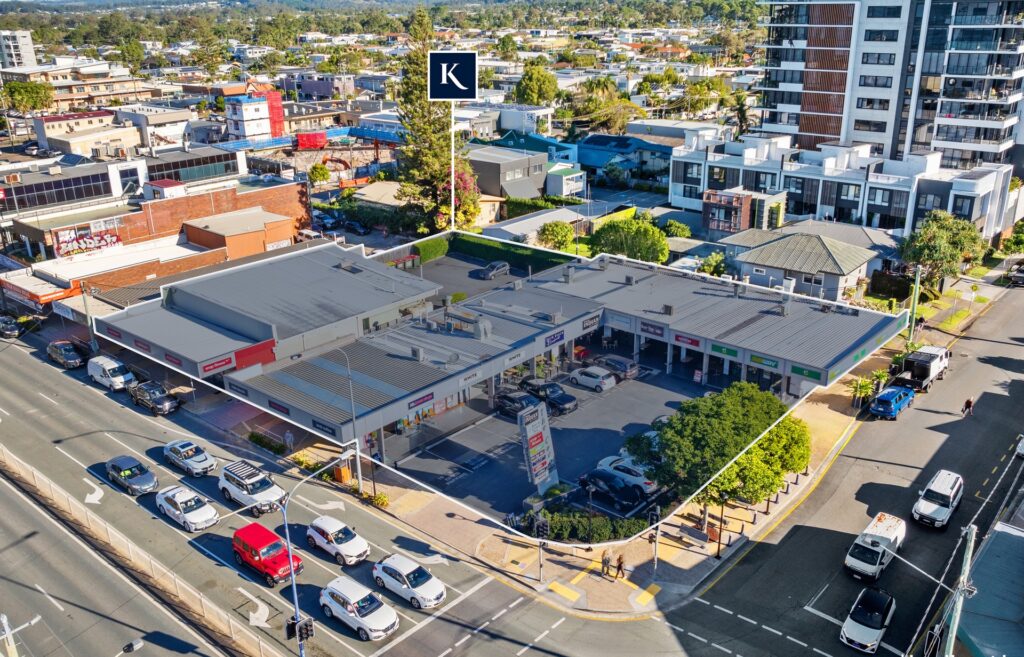
“No significant freehold stock above 400 square metres is being delivered in these key industrial precincts, so buyers who move now may be locking in access that simply won’t be available again once demand fully catches up with supply,” Mr Grbcic said.
For investors on whom the SMSF door has closed, the commercial and industrial sectors are proving the logical next move, offering both the borrowing structures and the tax settings that residential property has just lost.
Listen to the K Series podcast to learn more about the latest trends and shifts within the Gold Coast commercial market.