New Projects
The Vertical Integration Advantage
August 17 2026
Experienced investors are increasingly looking at the delivery model behind a new project. Here's why.

August 17 2026
Property investors today are accustomed to doing their homework. Location, supply, demand, rental return, capital growth and scarcity all play a role when assessing an opportunity.
In new projects, a development’s architecture, floor plan, finishes, amenity and views are added to the equation. Yet one of the most important considerations can easily be overlooked.
Who is delivering the product?
Investors who purchase property off-the-plan are buying more than a new residence. They are placing confidence in the experience, capability and structure of the team responsible for delivering it. Understanding the developer and how closely development, design and construction are aligned become an important part of the investment decision.
A developer’s ability to preserve the original architectural vison for a new project, including the materials procured, design refinement, cost fluctuations and supply chain shifts through the build process can have a significant bearing on the quality, desirability and longevity of the finished product.
The Vertical Integration Advantage
Developers that are vertically integrated have complete control over the development and construction process, without having to rely on external suppliers. This integrated approach ensures alignment, visibility and accountability at every stage of the process, giving investors greater confidence that the project will reach completion, on time and as close to the original design as possible.
This is highly important at the premium end of the market, where execution becomes even more pronounced. Value is rarely created by one feature alone. It is the combination of architecture, proportion, materiality, natural light, landscaping, privacy, amenity and craftsmanship that determines how a residence feels and how desirable it remains over time.
During construction, small decisions can influence that outcome. A material substitution, simplified detail or change in specification may appear minor in isolation, but collectively these decisions can alter the character of a development.
Vertical alignment between the people conceiving and delivering a project creates a stronger opportunity to protect its original design intent.
Experience When It Matters Most
In a shifting market, such as we have today, depth of experience behind a developer is inherently valuable.
Experienced development teams have navigated changing market cycles before. They understand the relationship between design ambition, commercial reality and construction delivery.
While vertical integration cannot eliminate development risk, nor is it a guarantee of quality, what it does provide is greater control over how those challenges are managed and clearer accountability for the final outcome.
Four Decades Behind Abedian & Co
On the Gold Coast, the Abedian name carries significant development history. Following four decades leading development company Sunland Group, the Abedian family has continued its property journey through Abedian & Co. It describes the new chapter as carrying forward a commitment to elevated design and the creation of enduring places centred around wellbeing and vibrancy, and that thinking can be seen across Abedian & Co’s current Gold Coast portfolio.
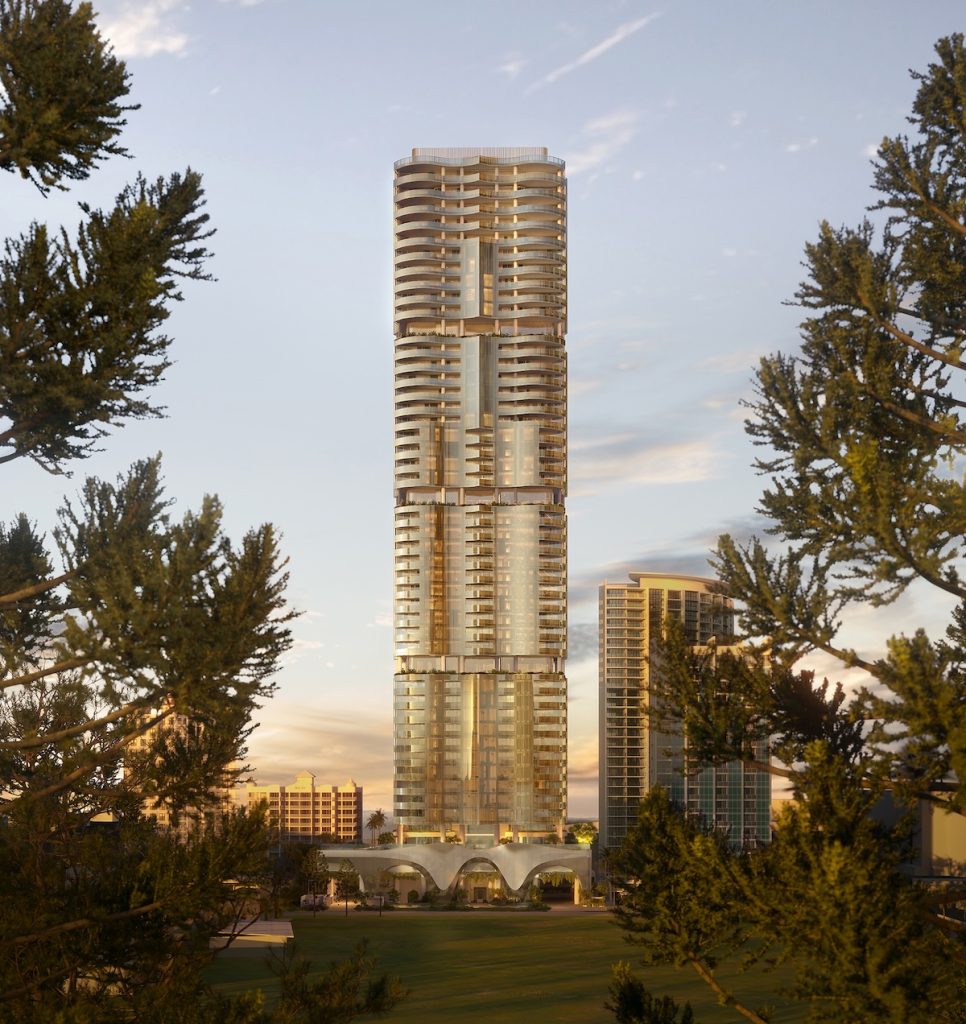
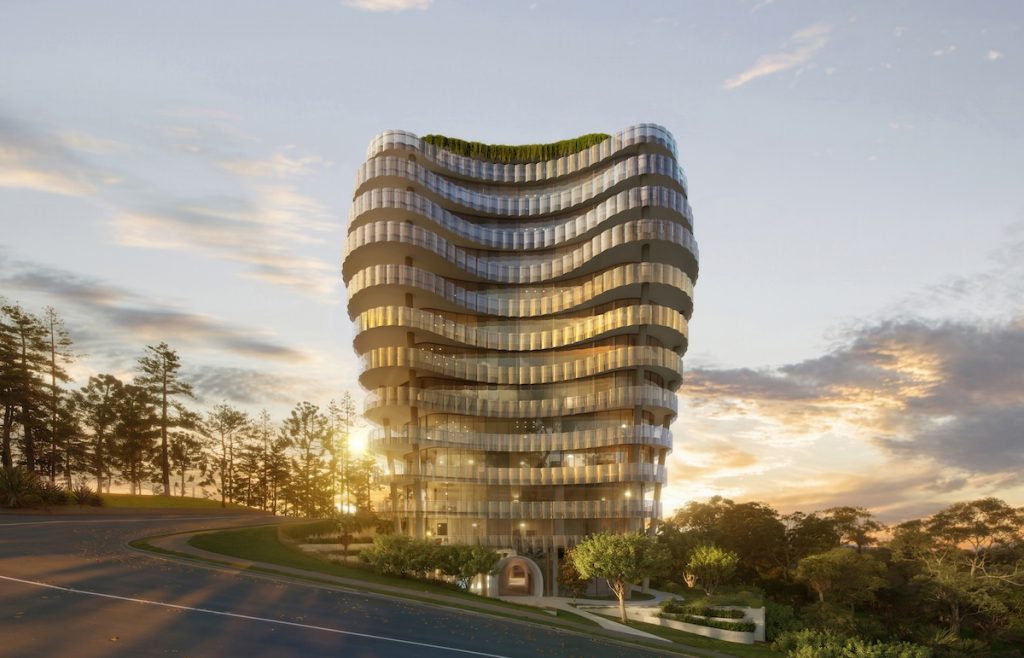
At Greenmount Residences, the architecture responds to the natural contours of its coastal setting, supported by an extensive focus on health and wellbeing, landscaping, resident spaces and residences designed around natural light and the surrounding coastal landscape. The result is an approach where the residence is considered as part of a broader living environment rather than in isolation.
The same philosophy extends across Abedian & Co’s projects in Mermaid Beach and Broadbeach, where design, amenity and lifestyle are considered as interconnected elements of the residential experience. It is an approach that demonstrates why understanding the philosophy and experience behind a development can be just as important as assessing the individual apartment.
Invest in the People Behind the Property
When considering a new development, investors should always look beyond what is being sold.
Research the developer’s history. Look at what they have previously created. Understand the team responsible for design and construction. Consider the depth of experience within the business and how closely the different disciplines are aligned. Ultimately, you are not investing in the promise of what will be built. You are investing in a developer’s ability to deliver it.