Market Insights
What Lies Ahead For the Gold Coast Property Market
July 6 2026
The coming months will prove interesting for the industry and market in general, but there will be opportunities for those that are well positioned.
July 6 2026
The Gold Coast market is entering a distinct new phase, with the new dynamics creating fresh opportunities in many sectors.
A shortage of housing, an Olympic-driven construction squeeze, and a wave of homeowner equity is going to keep prices firm, while sales volumes are reportedly slowing across the Gold Coast, there are individual agencies bucking this trend. Kollosche ended the financial year with more than $2.5 billion in unconditional sales which represented a 53.3 per cent increase on the previous year.
Within this changing market we look at what is expected to unfold over the coming months, from the building standoff between buyers and sellers, to the luxury market’s record run, the rise of off-the-plan demand and the suburbs positioned for the next wave of growth.
Supply and Demand Imbalance Continues
The thing that has kept, and continues to keep, the Gold Coast market strong is the fundamental lack of housing supply.
When Sydney and Melbourne markets were slowing down, and more recently Brisbane, the Gold Coast was still attracting more people than homes were being built. That imbalance is not expected to change in the months ahead.
What is changing is construction pipelines. Infrastructure for the 2032 Brisbane Olympics is already competing with residential projects for the same builders, tradespeople and materials, pushing construction costs sharply higher.
Add to that the infrastructure demands of the Olympic Games over the next five years, and any development not already under construction by 2027 is likely going to struggle to find a first or second-tier builder at a commercially viable price. Construction costs have increased exponentially, which makes new builds almost unviable for many developers and owner-builders, which will shrink supply further and keep prices underpinned even if growth in the broader market slows.
The new taxes announced in the Federal Budget will lead investors to step back from speculative builds and choose to hold onto assets and utilise the equity rather than sell and face higher capital gains taxes. Forced sellers will be limited and overall transaction volumes will probably slow as a stand-off between buyers and sellers plays out, similar to what was experienced between April and September 2020, before the market enters into another growth cycle.
The biggest issue facing housing supply remains population growth and policy alignment. The current government has been welcoming more people into the country than our building pipeline can accommodate, and that will continue to be a key driver of price growth.
Once interest rates start to trend down, and they will need to in order to support the broader economy, the Gold Coast will be well-positioned to benefit from the surge in confidence.
The fundamentals of the Gold Coast market are strong, and confidence and price growth will build steadily with the tightening in supply through to the Olympics regardless of changes to taxation.
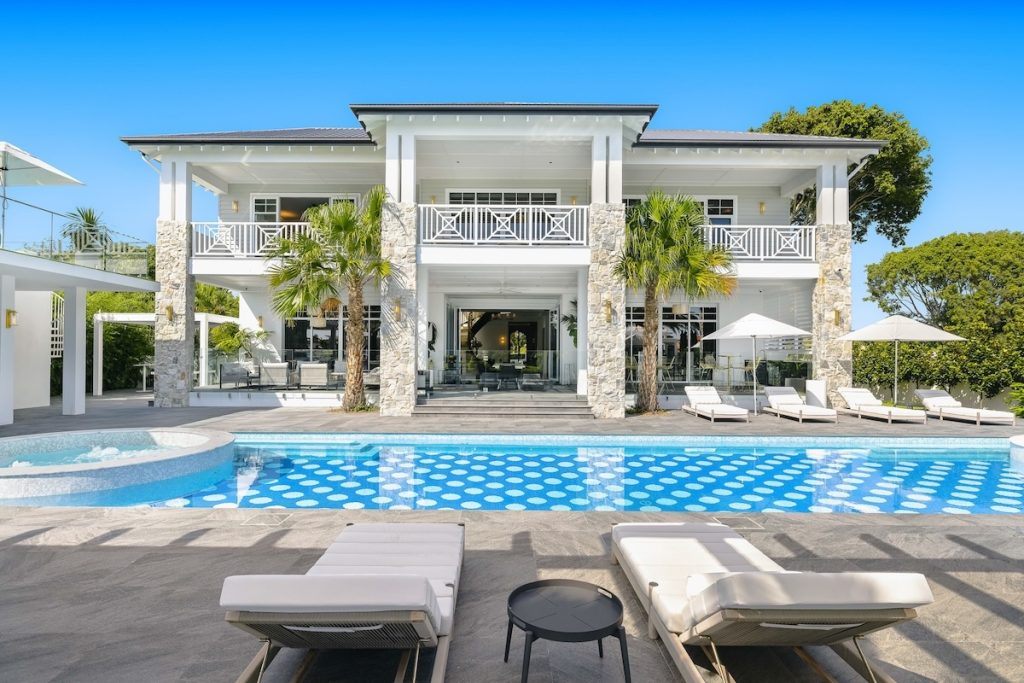
The Top End Will Keep Setting Records
Recent months have produced some of the strongest luxury sales results on record at a time when speculation following the Budget pointed to a slowdown at the top end.
Expect this to keep playing out over the next year. High-net-worth and ultra-high-net-worth buyers, many of whom have traded through several cycles already, will not try to pick the bottom of the market.
Instead, they are buying now and taking a long view. Sellers who match that mindset today, rather than holding out for last cycle’s peak, will be best placed to convert current buyer interest into a sale over the coming months.
Activity, rather than waiting for the ideal moment, tends to be the more effective response when a market is adjusting.
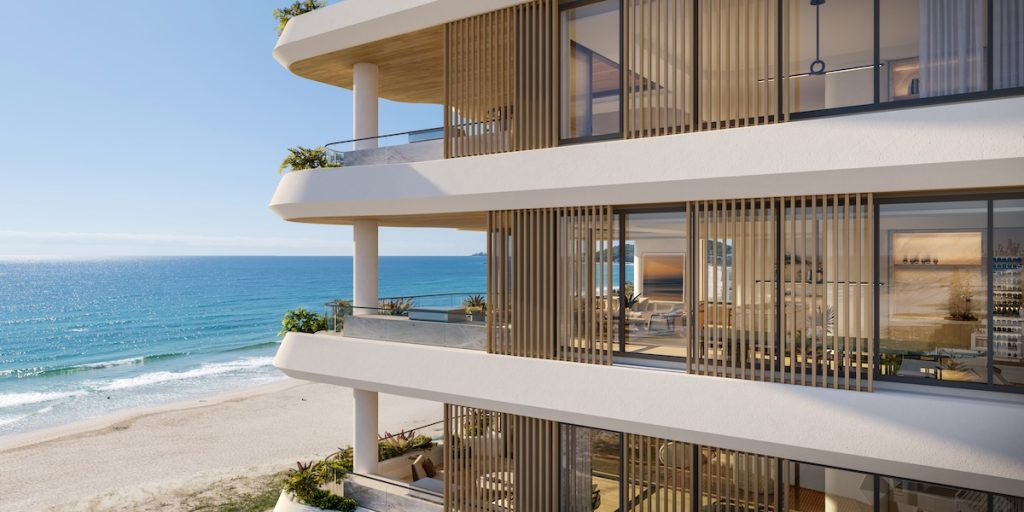
New-projects Sales Will Lift
Off-the-plan demand is strong right now, particularly for prime waterfront sites, and that demand is expected to intensify over the next six months at least as those sites keep disappearing.
New dwellings, shielded from the tax changes, will mean buying new or off-the-plan remains more attractive than buying in established buildings.
Buyers currently moving on the last remaining releases in well-located new projects are doing so because they recognise future opportunities may be limited, and prices are set to rise off the back of that.
As infrastructure builds absorb more of the industry’s labour and materials each year, the clear implication for buyers is to move ahead of that cost curve rather than after it, while weighing the genuine settlement and construction-timeline risk that comes with any off-the-plan purchase.
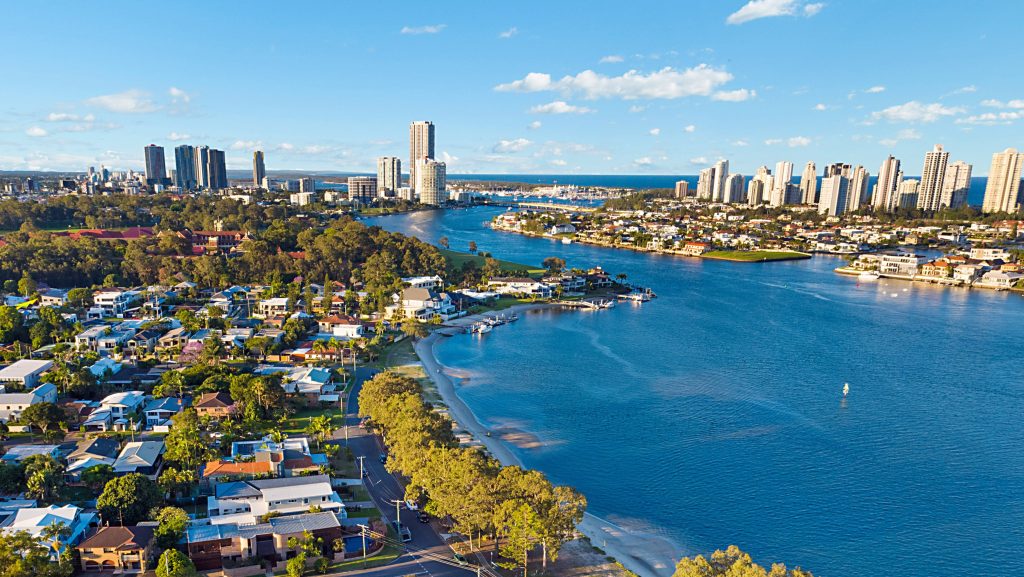
Push Into New Frontiers
Demand for property in beachside suburbs will continue, but a rising population and already strong price growth in these areas will push more buyers into currently undervalued pockets.
Expect new growth to spill outward into coastal fringe and hinterland-adjacent suburbs that still offer relative value but with convenience and a similar lifestyle offering.
When labour and materials remain expensive, new supply stays constrained, and that supports values in established pockets that might previously have been overlooked.
In Summary
The months ahead will prove interesting for the industry and market in general. There will be opportunities for those that are well positioned, but a critical lack of new housing, runaway population growth and an accelerating Olympic infrastructure build are set to remain the drivers of market outcomes through to mid-2027.
Thinking about buying or selling in the next six to 12 months? Get in touch with a Kollosche agent for a read on your specific suburb and price point.